Blog / October 26, 2026 · 5 min read
How to Run a Sample Program for Retail Buyers Without Burning Cash
Tags:Samples and testers, Buyer outreach, Unit economics, Independent stores
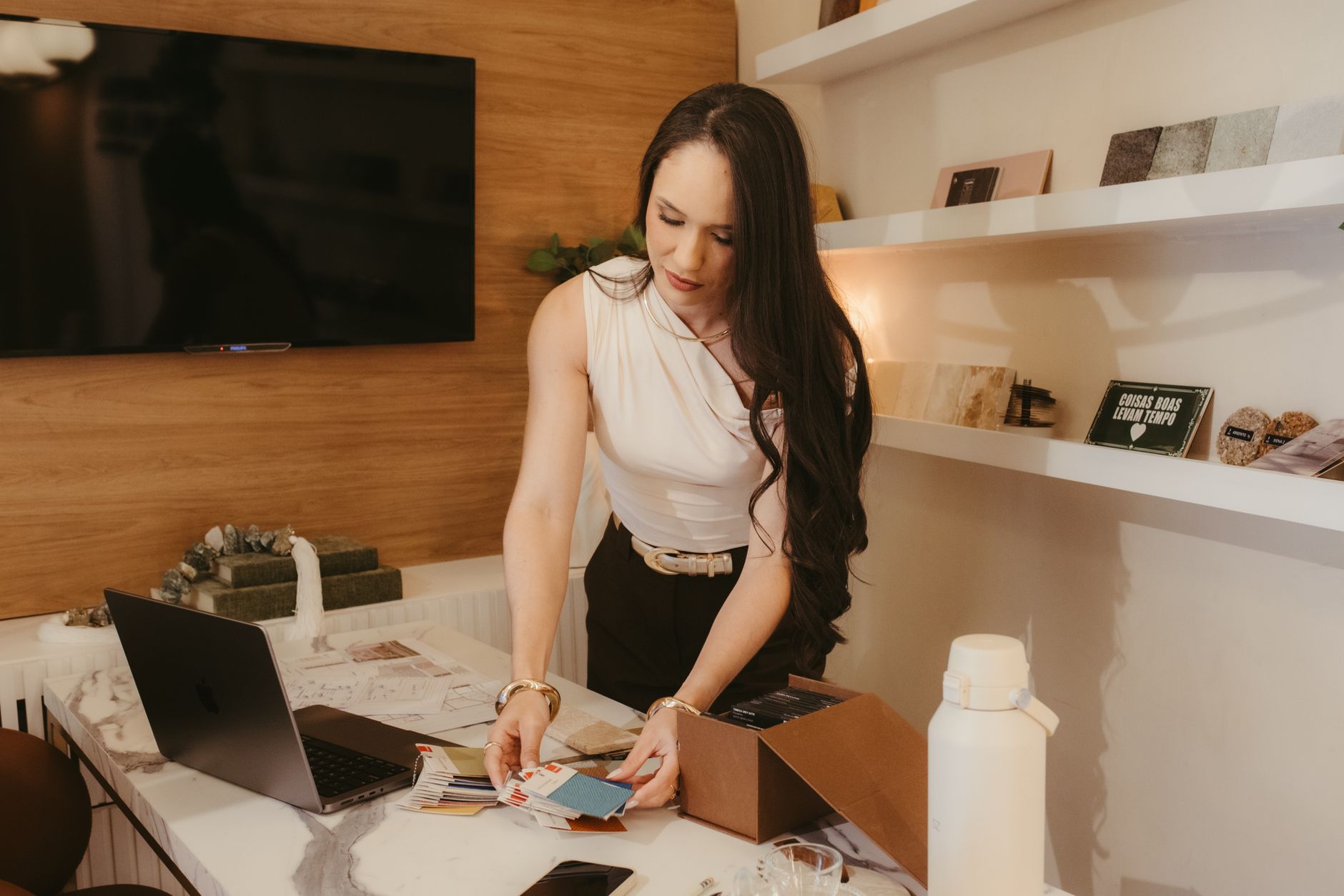
Photo by Jonathan Borba on Pexels
Samples get your product into buyers' hands, but uncontrolled sampling drains your budget and teaches you nothing. A sample program that works sets clear rules for who gets product, tracks every send, and measures what happens after.
Set a monthly sample budget and stick to it
Decide how much product you can afford to give away each month. Calculate it in units, not dollars. If your wholesale cost is $4 per unit and you can spend $400 monthly, that is 100 units. When you hit the limit, you stop until next month. No exceptions for "hot leads" that appear on day 29.
Track samples in a spreadsheet with these columns: date sent, recipient name, store name, store location, how they found you, what they requested, cost to you (product plus shipping), follow-up date, outcome. Update it the day you ship and again after every follow-up.
Qualify every request before you ship
Not every inquiry deserves a sample. Before you send product, get answers to three questions:
- Do they own or buy for a physical store? Ask for the store name and address. Search it. If it does not exist or they dodge the question, decline.
- Do they carry your category? A boutique that sells jewelry and candles will not suddenly add skincare because your sample arrived. Check their website or Instagram.
- Are they ready to order soon? Ask when they plan to place orders and what their typical first order looks like. Vague answers mean they are browsing, not buying.
Write a short response template: "We send samples to stores actively placing orders in [category]. Can you share your store name and address, and your typical order size for new brands?" This filters out consumers, students and people collecting free product.
Send the smallest viable sample
Your sample proves the product works and shows your packaging quality. It does not need to be full-size. A skincare sample can be 10ml in a labeled jar. A food sample can be a single-serve packet. A candle can be a 2oz tin.
Include a sell sheet with wholesale pricing, minimum order, lead time and reorder terms. Add a handwritten note with your name and phone number. The note makes follow-up easier because they remember a person, not a faceless brand.
Ship in plain packaging with a printed label. Buyers care about the product inside, not the mailer. If your sample costs $4 and fancy packaging adds $3, you just cut your reach in half.
Follow up exactly once, seven days after delivery
Track your shipments so you know when the sample arrived. Seven days later, send one email or text:
"Hi [name], your sample of [product] arrived last week. I am following up to see if you had a chance to try it and whether it is a fit for [store name]. Our minimum first order is [number] units at $[price] wholesale. I can get an order to you in [timeframe]. Let me know if you have questions."
If they do not respond in five days, mark it closed and move on. Do not send a second follow-up. Buyers who want to order will respond to the first message.
Measure conversion, not compliments
Your sample program works if it generates orders. Track three numbers monthly:
- Samples sent
- Orders placed within 30 days of sample delivery
- Revenue from those orders
Divide orders by samples sent to get your conversion rate. If you sent 40 samples and got 4 orders, your conversion rate is 10%. Divide revenue by total sample cost (product plus shipping) to get your return. If those 4 orders brought in $800 and your samples cost $200, your return is 4x.
If your conversion rate stays below 5% for three months, your qualifying process is broken. You are sending to the wrong people. Tighten your questions and say no more often.
Cut off repeat requesters who do not order
Some buyers request samples from every brand, try them, and never order. If someone requested a sample more than six months ago and never placed an order, do not send again. Check your spreadsheet before you ship.
The same rule applies to stores that ordered once and never reordered. A second sample will not fix whatever stopped them from reordering. Spend that budget on new prospects.
Stop sending samples to distributors
Distributors do not need samples. They need your line sheet, minimum order, terms and margin structure. If a distributor asks for samples before they commit to carrying your line, they are not serious. Real distributors decide based on whether they can sell your product to their accounts, not whether they personally like it.
If a distributor wants to show your product at a trade event, offer to send a display unit on consignment and get it back after. Do not give away inventory.
Test one acquisition channel at a time
If you send samples to buyers from Instagram, email outreach and trade shows all in the same month, you cannot tell which channel converts. Pick one source, send 20 samples, measure conversion, then try the next source.
Most brands find that buyers who request samples after seeing the product in person (at markets or pop-ups) convert at 15% to 25%. Buyers who request samples cold from Instagram convert at 3% to 8%. Email outreach to stores you research and personalize converts at 8% to 12%. Knowing this lets you focus your budget.
What to do this week
- Set your monthly sample budget in units and create a tracking spreadsheet with the columns listed above.
- Write a qualifying message template and save it where you answer buyer inquiries.
- Review your last 20 sample sends and calculate your conversion rate. If it is below 5%, tighten your qualifying questions.
- Stop sending samples to anyone who requested one more than six months ago without ordering.
Want this applied to your numbers?
The free audit runs your pricing and packaging through a buyer's checklist and sends you a written report.
Get my free auditMore to read
Tester and Display Programs: When They Pay for Themselves
Free testers and branded displays cost money. Here is how to calculate whether they will increase sales enough to cover their cost.
November 1, 2026 · 5 min read
Tags:Samples and testers, Independent stores, Unit economics, Reorders

How to Read Sell-Through Reports and Time Your Reorder Push
Learn to interpret retailer sell-through data, calculate velocity, spot reorder timing signals, and approach small stores for restocks without guessing.
October 31, 2026 · 5 min read
Tags:Reorders, Independent stores, Unit economics, Buyer outreach