Blog / November 1, 2026 · 5 min read
Tester and Display Programs: When They Pay for Themselves
Tags:Samples and testers, Independent stores, Unit economics, Reorders
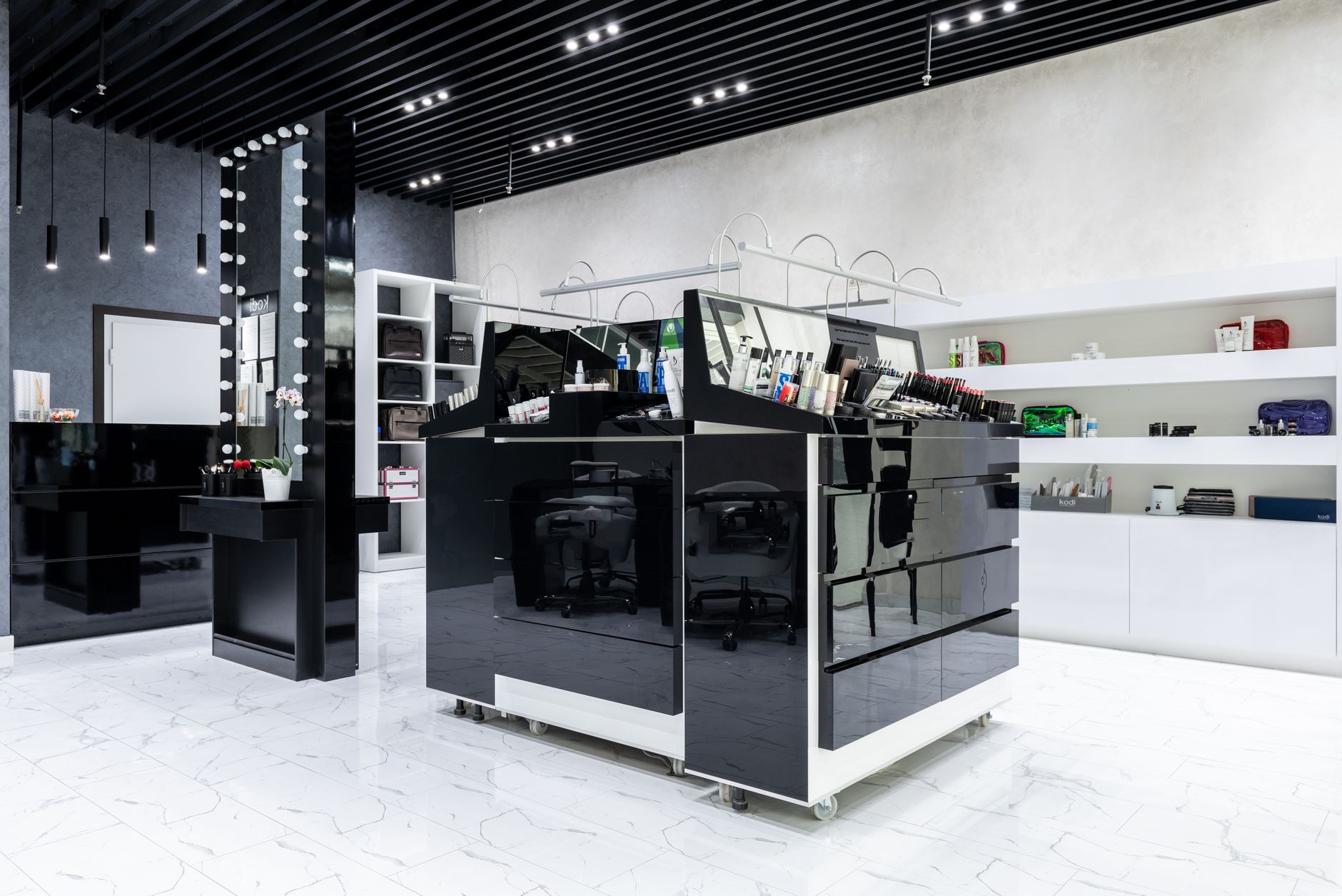
Photo by Max Vakhtbovych on Pexels
A retailer asks for free testers or a branded display unit. You want the placement, but you also need to know whether the program will generate enough additional sales to justify the cost.
This post gives you the arithmetic to decide. We will work through the math for testers and displays separately, then cover when each makes sense and when they do not.
The tester break-even formula
A tester program pays for itself when the extra units sold cover the cost of the testers you gave away.
Here is the formula:
Break-even units = (Tester cost + shipping) / (Wholesale price - Variable cost per unit)
Example: You sell a face serum at $15 wholesale. Your variable cost (product, packaging, fulfillment) is $6 per unit. You send a retailer two testers worth $30 retail, which cost you $12 to produce, plus $8 shipping.
- Tester cost: $12
- Shipping: $8
- Total outlay: $20
- Contribution margin per unit sold: $15 - $6 = $9
- Break-even units: $20 / $9 = 2.2 units
You need to sell three additional units for the tester program to pay for itself. If the retailer normally sells one unit per month without testers and sells four units per month with testers, the program works. If they sell two units either way, it does not.
The display break-even formula
Branded displays cost more upfront but serve multiple stores or last multiple months.
Break-even units = (Display cost + shipping) / (Wholesale price - Variable cost per unit)
Example: You produce a countertop acrylic display that holds eight products. The display costs $45 to produce and $12 to ship. Same serum as above, $15 wholesale and $6 variable cost.
- Display cost: $45
- Shipping: $12
- Total outlay: $57
- Contribution margin: $9 per unit
- Break-even units: $57 / $9 = 6.3 units
You need to sell seven additional units to cover the display. If the display sits in the store for six months and increases sales by two units per month, you sell 12 extra units and the display pays for itself twice over. If it increases sales by one unit per month, you sell six extra units and you are close to break-even but not quite there.
When testers make sense
Testers work when customers need to try the product before buying and the trial converts them.
Good candidates:
- Skincare with a texture, scent or feel that matters (serums, creams, oils)
- Fragrances
- Makeup where shade or finish varies (lipstick, foundation, eyeshadow)
- Hair products with a scent or consistency customers want to check
Testers do not make sense when the product is single-use, when hygiene concerns prevent sampling (mascara, lip gloss in some contexts), or when the purchase decision does not depend on trying it (supplements, packaged soap, shelf-stable items).
You also need the retailer to place the tester where customers will see and use it. A tester behind the counter or in a drawer does nothing.
When displays make sense
Displays work when they increase product visibility in a way that drives impulse purchases or makes your product easier to find.
Good candidates:
- Small items that get lost on a shelf (lip balms, travel sizes, sample packs)
- Impulse buys near the register
- Products with multiple SKUs where a display helps customers compare (different scents, sizes or formulas)
- New brands that need visibility in a crowded category
Displays do not make sense when the retailer has no counter space, when your product already has good shelf placement, or when the category is not impulse-driven and customers come in looking for a specific item.
A display also needs to hold enough inventory to justify the floor space. If your display holds three units and the retailer sells one per month, they will not give you the space.
How to test before committing
Start with a pilot in two or three stores. Give one store testers, one store a display, and one store neither. Track sales for three months.
Compare the monthly unit sales across the three stores. If the tester store sells significantly more, calculate whether the increase covers your tester cost using the formula above. Do the same for the display store.
If neither program increases sales enough to cover costs, do not expand it. If one works, offer it to similar stores and track whether the results hold.
How to propose the program to retailers
When you offer testers or a display, frame it as a tool to increase their sales, not as a favor to you.
Say: "I can send you two testers and a small sign. Other stores see a 30 to 50 percent increase in sales when customers can try the texture before buying. I will include an initial order of six units. If it works, we can continue."
Or: "I have a countertop display that holds eight units and fits in a 6-inch by 6-inch space. Stores that use it sell an average of four units per month instead of one or two. I will send the display and the first order at no cost to you."
Be specific about the space, the setup and what the retailer needs to do. If the tester needs to sit on the counter with a sign, say that. If the display needs to be within arm's reach of the register, say that.
When to say no
Say no to tester or display requests when the math does not work or when the retailer will not commit to the conditions that make the program succeed.
If a retailer asks for testers but will not put them on the counter, say: "Testers work best when customers can try them easily. If you are able to place them near the product with a small sign, I am happy to send them. Otherwise, let's start with a standard order and revisit testers after the first reorder."
If a retailer asks for a display but only commits to stocking two units, say: "The display holds eight units, which is the minimum that makes it worthwhile for both of us. If you would like to start with a smaller order, I can send a shelf talker instead, and we can discuss a display once sales increase."
Do not send expensive materials to retailers who are testing your brand with a single unit. Wait until they reorder, then offer the tester or display as a tool to grow an already-working relationship.
What to do this week
- Calculate your contribution margin (wholesale price minus variable cost per unit) for each product you sell.
- Use the break-even formulas above to determine how many extra units a tester or display program must generate to pay for itself.
- If you already offer testers or displays, compare sales at stores that use them to sales at stores that do not, and calculate whether the program covers its cost.
- For any retailer asking for testers or a display, write down the specific conditions (placement, signage, minimum order) that must be met for you to say yes.
Want this applied to your numbers?
The free audit runs your pricing and packaging through a buyer's checklist and sends you a written report.
Get my free auditMore to read

How to Read Sell-Through Reports and Time Your Reorder Push
Learn to interpret retailer sell-through data, calculate velocity, spot reorder timing signals, and approach small stores for restocks without guessing.
October 31, 2026 · 5 min read
Tags:Reorders, Independent stores, Unit economics, Buyer outreach
How to Run a Sample Program for Retail Buyers Without Burning Cash
Send samples to retail buyers without wasting product or money. A working method for tracking, qualifying requests, and measuring conversion.
October 26, 2026 · 5 min read
Tags:Samples and testers, Buyer outreach, Unit economics, Independent stores