Blog / November 5, 2026 · 6 min read
Staff Training Sheet for Estheticians and Pharmacies: What to Include

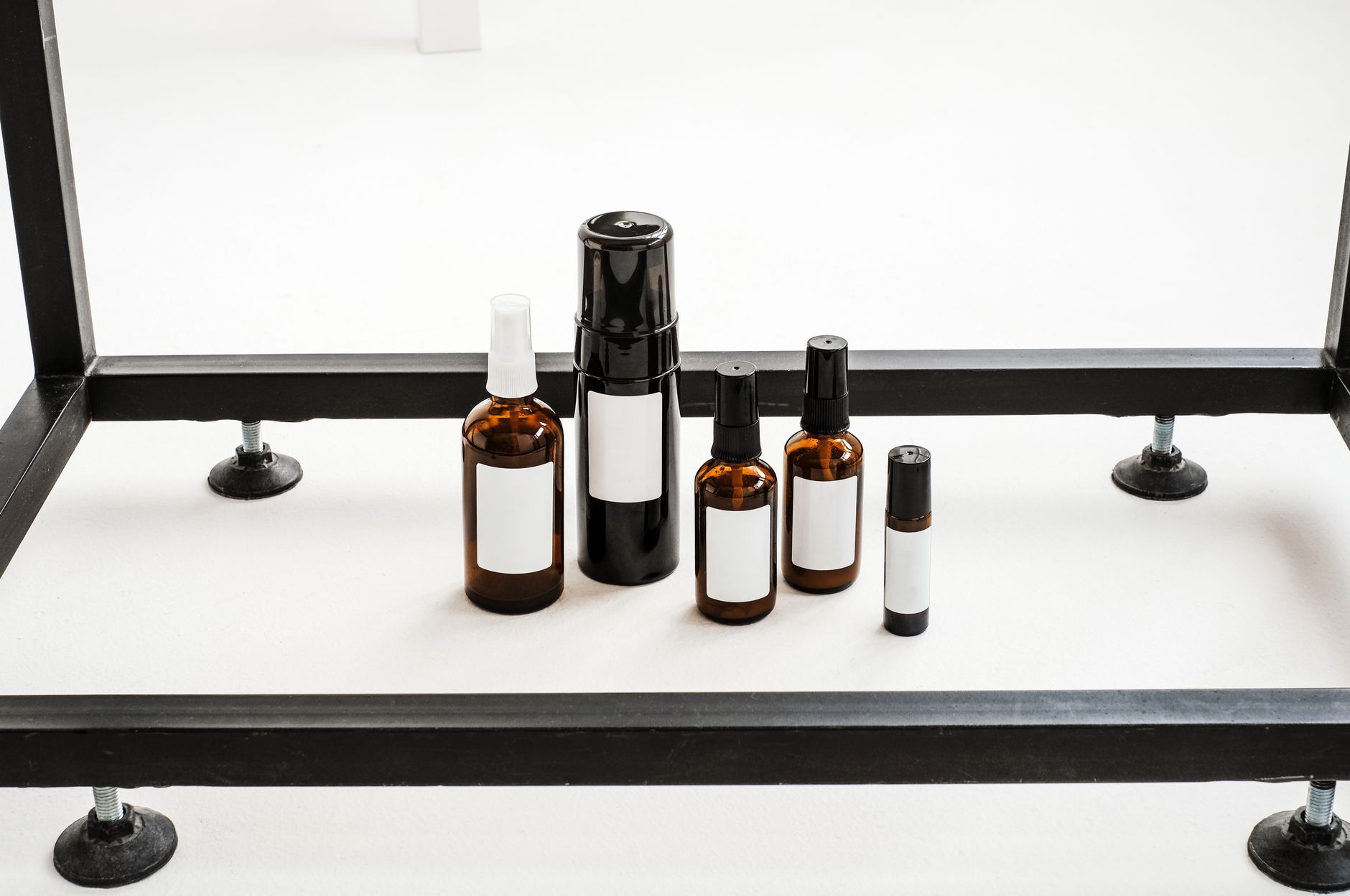
Photo by cottonbro studio on Pexels
Store staff who understand your product sell more of it. A one-page training sheet gives them what they need without asking them to read a manual or watch a video.
This matters most in esthetician studios and pharmacies, where staff answer customer questions all day and recommend products based on specific concerns. If they don't know how your product works or when to suggest it, it stays on the shelf.
What the sheet must do
The training sheet has one job: help staff answer the question "Is this right for me?" when a customer picks up your product or asks about a skin concern.
That means it must:
- State what the product does in one sentence
- List the skin types or concerns it addresses
- Give the main active ingredients and what they do
- Explain how to use it (when, how often, with what)
- Identify who should not use it
- Provide a short script for the most common customer question
Everything else is optional. Staff will not read a second page.
Section 1: Product purpose and who it's for
Start with a single sentence that names the product and states its function. Then list 3 to 5 specific customer profiles or concerns.
Example:
Calm Repair Serum reduces redness and strengthens the skin barrier.
Recommend for:
- Sensitive skin that reacts to products
- Redness around nose and cheeks
- Skin that feels tight or stings after cleansing
- Post-procedure recovery (after peels, microneedling)
- Rosacea-prone skin
This section tells staff when to pull your product off the shelf during a conversation.
Section 2: Key ingredients and what they do
List 2 to 4 active ingredients with a short phrase explaining each one. Use plain language, not marketing copy.
Example:
Active ingredients:
- Centella asiatica: calms inflammation, supports healing
- Niacinamide 5%: reduces redness, strengthens barrier
- Ceramide complex: prevents moisture loss
- Bisabolol: soothes irritation
This gives staff the answer when a customer asks "What's in it?" or "Why does it work?"
For pharmacy channels, include the percentage if it's a recognized active (like niacinamide, salicylic acid, or retinol). Pharmacy staff and their customers expect that precision.
Section 3: How to use it
Write this as direct instructions, not a paragraph. Include when in the routine, how much, and how often.
Example:
How to use:
- Apply after cleansing, before moisturizer
- Use 2 to 3 drops, morning and evening
- Can be used with retinol (apply retinol after, at night only)
- Safe for daily use
- Results visible in 2 to 3 weeks
If your product has a common misuse (like applying too much, using it on wet skin, or mixing it with something that reduces effectiveness), state it clearly here.
Section 4: Who should not use it
List any contraindications, conflicts with other products, or situations where staff should suggest something else instead.
Example:
Not recommended for:
- Active breakouts with open wounds (wait until healed)
- Customers using prescription tretinoin (can cause irritation; start with every other day)
- Pregnant or nursing (contains retinol alternative)
If your product is safe for everyone, write "Safe for all skin types" and move on. Do not invent cautions.
For pharmacy channels, this section matters more. Pharmacy staff are trained to check for interactions and contraindications, and they expect this information.
Section 5: The main customer question
Write out the one question staff hear most often, then give them a short script that answers it and leads to a recommendation.
Example:
Customer: "Will this make my skin more sensitive to the sun?"
Staff script: "No, this serum doesn't increase sun sensitivity. It actually helps repair damage from sun exposure. You'll still want to use SPF during the day, like with any skincare routine. Most people use this morning and night."
This section does more work than it looks like. It gives staff confidence that they can handle the conversation, which makes them more likely to recommend the product in the first place.
Format and delivery
Keep the entire sheet to one page. Use 11-point type minimum. Leave white space.
Include a small product image at the top so staff can match the sheet to the bottle.
Add your contact information at the bottom (email and phone) so staff can reach you with questions. Some will, especially in the first month.
Deliver the sheet in three ways:
- Laminated copy at the register or treatment room
- PDF sent to the owner or manager
- Printed copy inside each case when you ship reorders
Staff change. New hires need the same information. The sheet needs to be where they look when they have a question.
What to leave out
Do not include:
- Your brand story or mission
- Full ingredient list (they can read the label)
- Detailed skin science or mechanism of action
- Marketing claims without the supporting detail
- Pricing or promotion information (that changes)
- Instructions for the store owner (put those in a separate document)
The training sheet is a reference tool, not a sales pitch. Staff need facts they can repeat to customers, stated clearly enough that they don't have to interpret or remember.
Esthetician channel: add protocol notes
For esthetician studios, add a short section on how your product fits into treatment protocols.
Example:
Treatment room use:
- Can be applied immediately after microcurrent or LED
- Use as final step after enzyme peel (helps reduce post-peel redness)
- Recommend for home care between monthly facials
Estheticians think in protocols. If your product has a place in a facial treatment, state it. That turns it into a professional recommendation, not just a retail suggestion.
Pharmacy channel: add category placement
For pharmacies, add a note about where your product sits in the category and what it replaces or complements.
Example:
Category position:
- Alternative to hydrocortisone cream for redness (without steroid)
- Gentler option than high-strength retinol for sensitive skin
- Pairs well with prescribed acne treatments to reduce irritation
Pharmacy staff often help customers choose between similar products. This section tells them how to position yours.
Testing the sheet
Before you print 500 copies, test the sheet with 3 to 5 store staff who don't already know your product.
Hand them the sheet. Wait 60 seconds. Then ask: "A customer just picked this up and asked if it's right for sensitive skin. What would you say?"
If they can answer accurately using the sheet, it works. If they hesitate, look confused, or give an answer that contradicts your label, revise the sheet.
The sheet is not for you. It's for someone who has 30 seconds to scan it between customers.
Update schedule
Review your training sheet every 6 months. Update it if:
- You reformulate the product
- Staff questions reveal a gap in the information
- You add a new size or format
- Regulations change (especially for claims)
Send the updated version to every store that carries your product, even if they've had the old version for years. Do not assume they'll notice the change on their own.
What to do this week
- Draft a one-page training sheet for your top-selling product using the sections above
- Test it with someone who doesn't work for your brand (a friend, a store owner, anyone who can read it cold)
- Revise based on their questions, then send it to your current retail accounts
- Add a laminated copy to your next shipment to each store
Want this applied to your numbers?
The free audit runs your pricing and packaging through a buyer's checklist and sends you a written report.
Get my free auditMore to read
Health and Beauty Labeling Basics for US Retail (Where to Verify)
Principal display panel, ingredient lists, net contents and contact info are required on US cosmetic and supplement labels. Here's where to verify the exact rules.
October 30, 2026 · 5 min read
Tags:Retail compliance, Independent stores, Sell sheets, Channel strategy

Net Terms and Getting Paid: How to Handle Wholesale Payment Risk
Small brands face real payment risk with net terms. Learn credit checks, payment structures, and when to say no to protect cash flow.
November 4, 2026 · 7 min read
Tags:Payment terms, Independent stores, Unit economics, Channel strategy