Blog / October 24, 2026 · 6 min read
Why Independent Stores Reorder (and How to Make It Happen)
Tags:Reorders, Independent stores, Buyer outreach, Unit economics

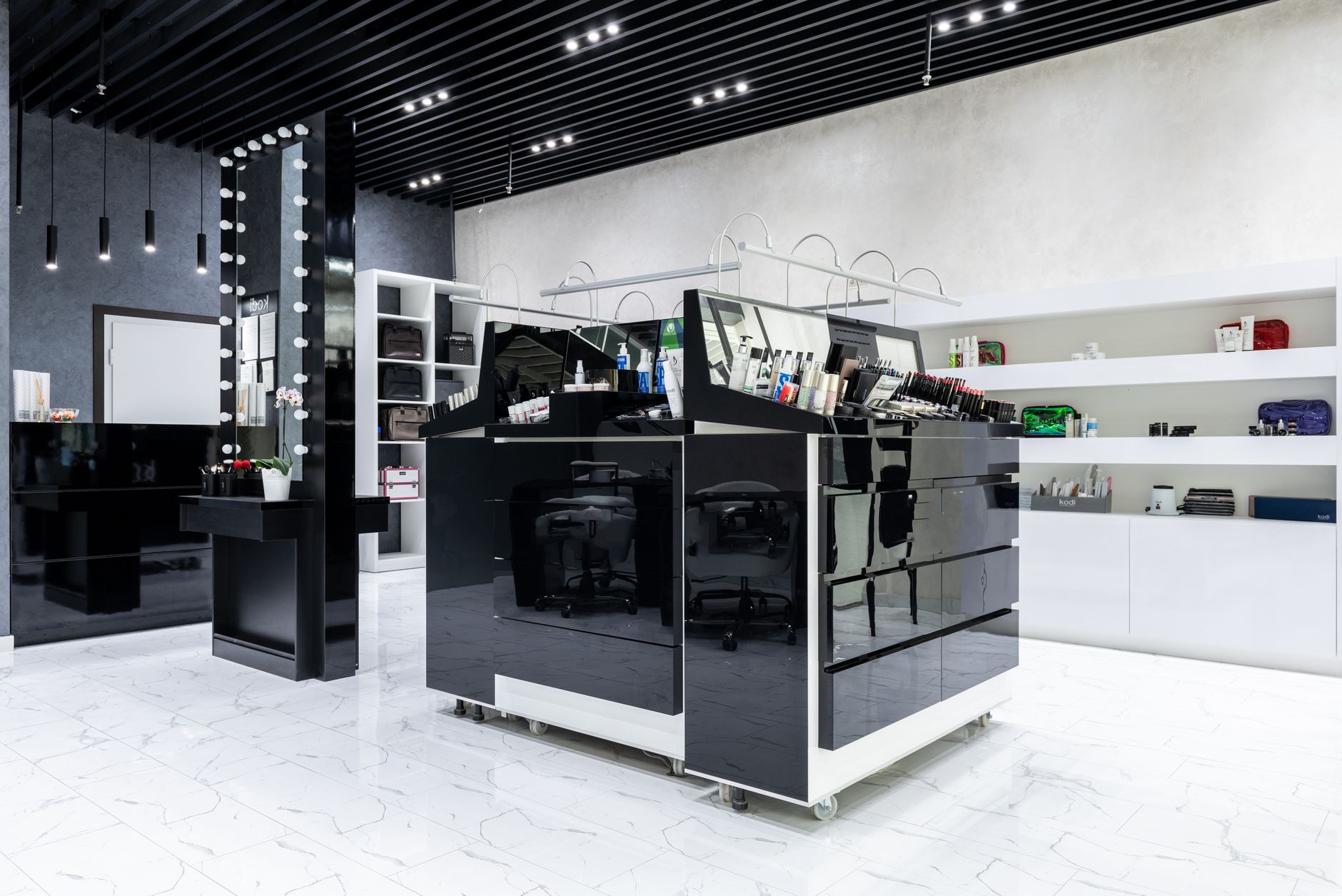
Photo by https://kaboompics.com/ on Pexels
Independent retailers reorder products that sell through quickly, require minimal customer education, and fit their existing customer base. The second order is where wholesale relationships become profitable, but most brands lose the opportunity in the first 60 days.
What triggers a reorder decision
A store owner reorders when three conditions align: the product moved off the shelf faster than expected, customers asked for it by name or came back for it, and the owner believes the next order will perform the same way.
Velocity matters more than margin. A product that sells four units in two weeks will get reordered before a higher margin product that sells two units in six weeks. The store needs the cash flow and the shelf space.
Customer questions are a signal. If a customer asks "Do you have more of this?" or "When will you get this back in?", the owner remembers. If three customers ask in one week, the owner reorders before stock runs out.
Consistency drives confidence. The owner needs to believe the second order will perform like the first. If the first order included a promotion or heavy sampling that won't repeat, the owner assumes the second order will sit longer.
Why most first orders don't lead to second orders
The product sells too slowly. Independent stores often start with a test order of 6 to 12 units. If half the units are still on the shelf after 90 days, the owner will not reorder. The product failed the velocity test.
The store ran out and moved on. If your product sells through in three weeks and you don't follow up, the owner fills the shelf space with something else. By the time you check in, the moment is gone.
The first order required too much work. If the owner had to explain the product to every customer, answer the same questions repeatedly, or deal with confusion about how to use it, the product is not shelf-ready. The owner will not bring that friction back.
The price or terms were wrong. If the first order had a special price, free shipping, or extended payment terms that won't apply to the second order, the owner sees the reorder as a worse deal. The comparison kills the momentum.
The follow-up window
Contact the store 10 to 14 days after delivery. Ask if the product is on the shelf, if customers have commented, and if the owner needs any support. This is not a sales call. You are checking that the product is set up to succeed.
If the product is selling, offer to send a reorder reminder when stock is likely low. For a 12 unit test order with expected weekly sales of 2 units, that reminder should arrive around day 35. The message is simple: "You should have about 5 units left. Would you like to reorder now so you don't run out?"
If the product is not selling, ask why. The owner will tell you if it is price, placement, customer confusion, or competition. Some of these you can fix with a planogram suggestion, a small display, or clearer signage. Some you cannot.
What makes reordering easy
The same terms as the first order. If the first order had a $100 minimum and net 30 payment, the second order should too. Do not raise the minimum, shorten the payment window, or add shipping charges. The owner should feel the second order is the same deal.
A simple reorder process. The owner should be able to send a two line email or call a phone number and place the order. If reordering requires a new account setup, a portal login, or a multi step form, friction increases and reorders drop.
Predictable lead times. If you say the reorder will ship in 5 business days, it must ship in 5 business days. Independent stores operate on tight inventory. A delay means an empty shelf and lost sales, and the owner will not risk that again.
Sell through support that works
Provide a one page sell sheet the owner can keep at the register. It should answer the three questions customers ask most often. If you do not know what those questions are, ask the owner after the first two weeks.
Offer small refill displays or testers if the product benefits from trial. A 10 unit counter display with a tester can double velocity for skincare, supplements, or anything with a scent or texture. The display must fit on a counter or endcap without taking up more than 12 inches of space.
Send sell through data if you have it. If you know the product averages 3 units per week in similar stores, tell the owner. If you know it performs better near the register than on a back shelf, say so. Specific guidance reduces the owner's risk.
When to offer a reorder incentive
Use incentives only when velocity is good but the owner is hesitating on order size. A common scenario: the owner sold 8 units in 4 weeks and wants to reorder 6 units. You know a 12 unit order will last 6 weeks and keep the product visible. Offer free shipping on 12 units or a 5% discount. The incentive pays for itself in retained placement.
Do not use incentives to save a slow product. If the product sold 3 units in 8 weeks, a discount will not fix the problem. The owner will take the deal, and the product will still sit. You will have discounted a reorder that should not happen.
The math on second orders
Assume your first order to a store is 12 units at $10 wholesale, or $120. Your cost to acquire that account (samples, outreach, shipping, payment processing) might be $40 to $60. The first order is often break even or slightly negative.
The second order has no acquisition cost. If the store reorders 12 units, your margin on that order might be $50 to $70. The third order is even better. A store that reorders twice will often reorder indefinitely as long as velocity holds.
If your reorder rate is 20%, you need the margin from one reordering store to cover the acquisition cost of four non reordering stores. If your reorder rate is 50%, every reorder is profit. The difference is worth the follow up work.
What to do this week
- List every store that received a first order in the past 90 days and note how many days ago it shipped. Contact any store in the 10 to 45 day window.
- Write a two sentence reorder reminder template: "You ordered [product] on [date]. You likely have [X] units left. Would you like to reorder before you run out?"
- Check that your reorder process requires no more than one email or one phone call. If it requires more, simplify it today.
- If you have stores that reordered, ask them what made the decision easy. Use their answers to shape your follow up with other stores.
Want this applied to your numbers?
The free audit runs your pricing and packaging through a buyer's checklist and sends you a written report.
Get my free auditMore to read

How to Read Sell-Through Reports and Time Your Reorder Push
Learn to interpret retailer sell-through data, calculate velocity, spot reorder timing signals, and approach small stores for restocks without guessing.
October 31, 2026 · 5 min read
Tags:Reorders, Independent stores, Unit economics, Buyer outreach
Tester and Display Programs: When They Pay for Themselves
Free testers and branded displays cost money. Here is how to calculate whether they will increase sales enough to cover their cost.
November 1, 2026 · 5 min read
Tags:Samples and testers, Independent stores, Unit economics, Reorders