Blog / October 25, 2026 · 5 min read
Barcodes for Retail: What UPC and GS1 Registration Actually Involve
Tags:Retail compliance, Independent stores, Channel strategy
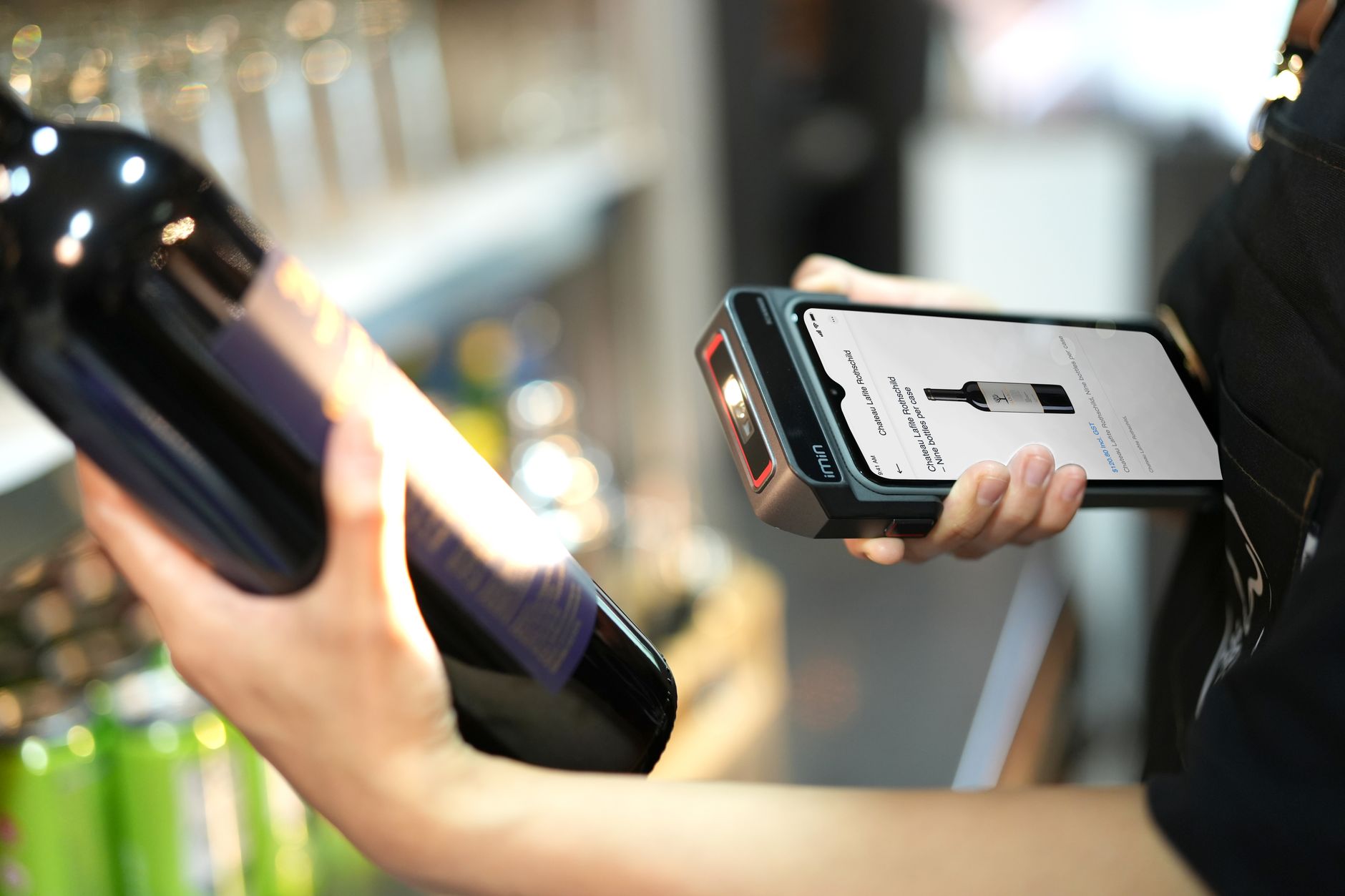
Photo by iMin Technology on Pexels
Most independent retailers will not stock a product without a barcode. The barcode links your product to their point-of-sale system so they can track inventory and ring up sales. You get barcodes by registering with GS1, the global organization that issues company prefixes and manages the UPC system.
What GS1 registration gives you
When you register with GS1, you receive a company prefix. This is a string of digits unique to your business. You use that prefix to create individual barcodes for each product SKU.
The registration fee depends on your annual revenue and how many product codes you need. As of this writing, the initial fee ranges from around $250 for a small business needing ten product codes to over $2,000 for larger operations needing thousands. GS1 US publishes current pricing on its website. There is also an annual renewal fee, typically $50 to $150 depending on your tier.
Once you have your prefix, you assign a unique number to each product variant. A 12-ounce lavender lotion gets one number. A 12-ounce eucalyptus lotion gets another. Different sizes and scents each need their own code.
You then generate the barcode image using GS1's tools or approved software. The barcode must meet specific size and print quality standards so scanners can read it reliably. Most label printers and design software support these standards.
Alternatives and why they cause problems
Some sellers buy single UPC codes from resellers instead of registering with GS1. These codes may work at checkout, but they create two problems.
First, the code is not registered to your company in the GS1 database. If a retailer looks up the code, it shows the original owner's information or nothing at all. This can cause confusion during onboarding or if the retailer needs to verify product details.
Second, major retailers and some distributors require that the GS1 company prefix match your business. They check this during the setup process. If the prefix belongs to someone else, they may reject your product or require you to re-label everything.
For independent stores, enforcement varies. Some will accept any scannable code. Others check the GS1 database, especially if they work with distributors who have strict requirements.
When you need the barcode
You need the barcode printed on your packaging before you approach stores or distributors. Retailers expect to scan the product at the point of sale on day one. If your packaging lacks a barcode, they will ask you to come back when you have one.
Some founders wait to register until they have a confirmed order. This delays your ability to ship and can frustrate a buyer who expected immediate availability. Register with GS1 before you print your first production run.
If you are still in the prototype or sample stage, you can wait. But once you are ready to sell, the barcode should be part of your packaging design.
What the barcode does not do
The barcode is a number. It does not automatically populate product information in a retailer's system. When a store first stocks your product, they enter the description, price, and other details manually and link them to your barcode. After that, scanning the code retrieves the information they entered.
The barcode also does not prove your product meets safety or labeling regulations. It only identifies the product for inventory and sales tracking.
How to register
Go to the GS1 website for your country. In the US, that is gs1us.org. In the UK, it is gs1uk.org. Other countries have their own GS1 offices.
You will fill out a form with your company details and select the number of product codes you need. GS1 estimates how many codes you will use based on your current and planned product line. If you are unsure, start with the smallest tier. You can add more codes later if needed.
After you pay the initial fee, GS1 issues your company prefix within a few business days. You then use their online tools to generate barcodes for each SKU. Download the barcode images and provide them to your packaging designer or printer.
Make sure the printed barcode meets GS1's size and quality standards. The barcode must be large enough and printed clearly enough for scanners to read it. GS1 provides a verification guide, and many commercial printers are familiar with these requirements.
If you sell on Amazon or other platforms first
Amazon allows sellers to use Amazon-generated barcodes (FNSKU) for fulfillment, but these codes do not work in physical retail. If you plan to sell in stores later, register with GS1 and use UPC barcodes from the start. You can use the same UPC barcode on Amazon and in retail, which simplifies inventory management.
Some platforms accept GS1 barcodes, and some generate their own. Check the platform's requirements, but if retail distribution is part of your plan, prioritize the GS1 registration.
What to do this week
- Check whether your packaging already has a barcode. If it does, verify that it is registered to your company in the GS1 database.
- If you do not have a barcode, estimate how many product SKUs you will launch in the next year and visit your country's GS1 website to see the registration cost for that tier.
- If you are ready to register, complete the GS1 application and pay the fee. Once you receive your company prefix, generate barcodes for each SKU and send them to your packaging designer or printer.
- If you are still in development, add GS1 registration and barcode printing to your pre-launch checklist so it is done before you contact stores.
SellToStores is a service that helps health, beauty and FMCG brands get placed with distributors and independent retailers. It starts with a free retail distribution audit.
Want this applied to your numbers?
The free audit runs your pricing and packaging through a buyer's checklist and sends you a written report.
Get my free auditMore to read
Health and Beauty Labeling Basics for US Retail (Where to Verify)
Principal display panel, ingredient lists, net contents and contact info are required on US cosmetic and supplement labels. Here's where to verify the exact rules.
October 30, 2026 · 5 min read
Tags:Retail compliance, Independent stores, Sell sheets, Channel strategy
Channel Conflict: Keep Stores, Your Site and Amazon From Fighting
Stop retailers from dropping your brand when they see lower prices on Amazon or your site. Four pricing rules and contract clauses that work.
October 29, 2026 · 5 min read
Tags:Channel strategy, Wholesale pricing, Independent stores, Distributors